How Online Streaming Platforms Are Changing the Way Arabic Entertainment News Reaches Global Audiences
Global streaming subscriptions surpassed one billion in recent years, reflecting a major shift in how audiences discover films, television series, and entertainment news. Research from Digital TV Research shows that streaming adoption continues to reshape viewing habits across international markets, while UNESCO has highlighted the growing influence of digital platforms on cultural exchange. As viewers increasingly search for new Arabic productions online, platforms such as Cima Now illustrate how audiences now find information about movies and series through digital channels instead of relying solely on television schedules or print publications.
Entertainment journalism once depended heavily on television broadcasts, newspapers, and magazines to introduce new releases and celebrity updates. That model worked well when audiences followed fixed programming schedules. Today’s viewers expect immediate access to trailers, cast announcements, release calendars, and discussions across multiple devices. Digital streaming services have become part of that discovery process because searchable libraries often encourage users to explore genres, actors, and productions that receive attention in entertainment coverage. This shift has changed how Arabic entertainment reaches viewers living both within the Middle East and across global Arabic-speaking communities.
The Challenge of Keeping Pace With Rapid Digital Entertainment
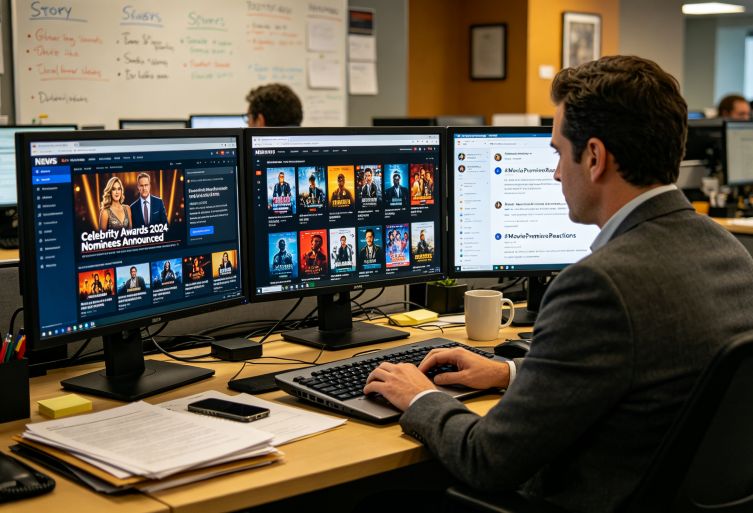
Entertainment news moves much faster than it did even a decade ago. A television premiere, festival announcement, or new streaming release can generate worldwide conversations within hours. Audiences expect journalists and media organizations to explain what is new, why a production matters, and where viewers can learn more.
This rapid pace creates challenges for both readers and publishers. Thousands of new titles appear across streaming catalogs every year. Research from Gracenote, a Nielsen company, indicates that available streaming content has expanded dramatically across major services, making discovery more difficult for audiences. As libraries continue to grow, entertainment reporting increasingly focuses on helping viewers navigate available content rather than simply announcing new releases.
Streaming Libraries Influence Entertainment Coverage
Streaming platforms have become valuable reference points for entertainment journalists because they organize films and television series into searchable collections. Reporters covering Arabic cinema or television often discuss new productions alongside broader industry trends, audience preferences, and regional storytelling.
Media coverage now extends beyond reviews. Articles frequently explain production backgrounds, introduce directors, examine cultural themes, and compare adaptations across different markets. Similar shifts can also be seen in live broadcasting, where alternative sports broadcast platforms demonstrate how digital distribution is reshaping audience expectations across different forms of entertainment. This broader approach helps audiences understand why certain productions attract international attention while highlighting wider changes in digital media consumption.
Experts at Pew Research Center note that digital media consumption has become increasingly mobile and on-demand, changing how people access news and entertainment information. Readers are more likely to encounter entertainment stories through search engines, social platforms, recommendation systems, and streaming-related searches than through scheduled television news segments.
Arabic Entertainment Gains Greater Global Visibility
Arabic-language productions have become easier to discover thanks to expanding digital distribution and multilingual accessibility. Subtitles, improved search functions, and recommendations expose viewers from different regions to films and television series they might never have encountered through traditional broadcasting.
Netflix and other international streaming companies have publicly discussed investments in Middle Eastern storytelling, while regional productions continue appearing at international film festivals. These developments generate additional reporting from entertainment journalists covering cultural trends, production quality, and audience reception.
As a result, entertainment news increasingly highlights creative industries instead of focusing exclusively on celebrities. Articles may examine filmmaking techniques, historical settings, literary adaptations, or emerging directors alongside traditional entertainment updates.
Search Behavior Is Reshaping News Distribution
Modern audiences often begin with a search instead of visiting a newspaper or entertainment website directly. Someone hearing about a new Arabic drama may immediately search for the title, cast members, trailers, or availability across digital services. Search engines then connect readers with reviews, interviews, news reports, and viewing information from multiple sources.
Research from Google consistently shows that people use Search to answer immediate questions and discover new content across many topics, including entertainment. This behavior encourages publishers to produce explanatory articles that answer audience questions clearly while providing useful context.
Entertainment reporting therefore becomes part of a larger discovery journey. Readers move between news articles, interviews, official trailers, streaming catalogs, and social discussions before deciding whether to watch a particular production.
Digital Platforms Support Faster Cultural Conversations
Streaming availability allows viewers in different countries to watch many productions within similar timeframes. Shared viewing experiences encourage broader conversations that cross geographic boundaries. Reviews, interviews, fan discussions, and feature stories often appear shortly after new releases become available.
This immediate access supports cultural exchange. Audiences learn about regional traditions, language, history, and storytelling through entertainment while journalists provide additional background that enhances understanding. Organizations such as UNESCO have long emphasized that media and cultural industries contribute to greater international awareness when diverse stories become more accessible.
Entertainment news therefore serves an educational role alongside its reporting function. Context helps audiences appreciate productions beyond their commercial release.
The Future of Arabic Entertainment Discovery
Technology will likely continue changing how viewers discover Arabic films and television series. Artificial intelligence recommendations, personalized search experiences, multilingual subtitles, and improved metadata may help audiences locate content more efficiently. At the same time, trusted entertainment journalism remains important because algorithms cannot fully explain cultural significance, production history, or creative influences.
Future reporting may combine streaming availability with deeper analysis, giving readers practical information alongside thoughtful cultural context. Streaming catalogs, digital viewing guides, and entertainment publications will continue influencing one another as audience expectations evolve.
Changing viewing habits demonstrate that entertainment discovery is no longer centered on scheduled television broadcasts. Digital streaming services, online searches, and media coverage now work together to connect audiences with Arabic films and television series around the world. As streaming libraries continue expanding, entertainment journalism will remain essential for helping viewers understand new releases, industry developments, and the broader stories shaping Arabic-language entertainment without relying on any single viewing platform.