How Gaming PCs Improve Live Streaming Quality for Content Creators
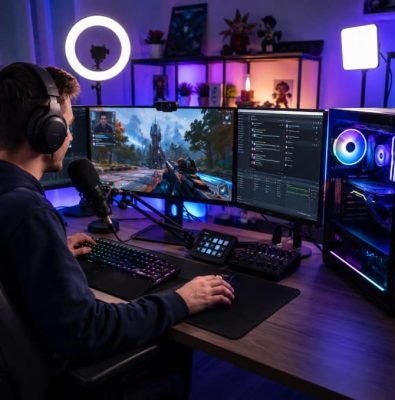 Whether someone streams gameplay, tutorials, music, podcasts, or creative projects, viewers expect smooth video, clear audio, and reliable performance. Poor stream quality can quickly drive viewers away, even if the content itself is interesting. A gaming PC provides the power needed to deliver a professional streaming experience. While many people associate gaming computers only with playing video games, their high-performance hardware also makes them ideal for handling the demanding tasks involved in live broadcasting. As Pixel Goblins often highlights in its gaming and PC hardware coverage, faster processors, dedicated graphics cards, and more memory all contribute to better stream quality and a smoother workflow for creators.
More Processing Power for Streaming
Streaming requires a computer to perform several tasks at once. It must run applications, capture video, encode the stream, manage audio, and send data to streaming platforms without interruption. If the system lacks enough processing power, users may notice lag, dropped frames, or poor video quality.
Gaming PCs typically feature modern multi-core processors that can manage these tasks efficiently. Instead of struggling with heavy workloads, they allow creators to broadcast while running streaming software, browsers, chat applications, and other programs simultaneously. This extra processing power is especially valuable for creators who edit videos, create graphics, or manage multiple monitors during live broadcasts.
Better Graphics Performance
A dedicated graphics card is one of the biggest advantages of a gaming PC. Although graphics cards are designed to render games, they also improve streaming performance in several ways. Modern GPUs often include built-in hardware encoders that handle video compression separately from the CPU. This reduces processor usage while maintaining high video quality. As a result, creators can stream at higher resolutions and frame rates without placing excessive strain on the rest of the system. For gaming streamers, a powerful graphics card also ensures smoother gameplay while maintaining a stable broadcast. Viewers see fewer visual interruptions, creating a better overall experience.
Higher Streaming Resolution
Many viewers now expect Full HD or even 4K video when watching live streams. Producing higher-resolution content requires more computing power than standard-definition broadcasts.
Gaming PCs are built to handle demanding graphics workloads, making it easier to stream at 1080p or higher while maintaining consistent performance. Combined with a fast internet connection, powerful hardware allows creators to deliver sharper images and smoother motion.
Higher-quality video also helps creators appear more professional, especially when streaming educational content, product demonstrations, or creative work where visual details matter.
Smooth Multitasking
Content creators rarely use only one application during a live stream. A typical setup may include streaming software, webcam controls, music players, Discord, browsers, chat moderation tools, overlays, and donation alerts.
Lower-powered computers can slow down significantly when several programs are running together. Gaming PCs are designed for multitasking, with faster processors, high-speed SSD storage, and generous amounts of RAM that keep everything responsive. This allows creators to switch between applications quickly without disrupting the stream or frustrating viewers.
Faster Video Encoding
Encoding converts raw video into a format suitable for online streaming. Since this process happens continuously during a live broadcast, it requires substantial computing resources. Gaming PCs speed up encoding through both powerful CPUs and dedicated GPU encoders. This reduces delays between the creator and viewers while maintaining consistent image quality. Lower encoding times also help reduce skipped frames, resulting in smoother motion during fast-paced gameplay or live demonstrations.
Improved Audio Management
Gaming PCs provide enough resources to process microphones, background music, sound effects, and voice chat simultaneously. Many creators also use audio mixing software or virtual audio devices, which benefit from additional processing power. Stable hardware helps prevent audio synchronization issues that sometimes occur on lower-end systems.
Reliable Performance During Long Streams
Some creators stream for several hours at a time. Extended broadcasts place continuous demands on computer hardware, making system stability essential. Gaming PCs are often built with better cooling systems, higher-quality power supplies, and components designed for sustained workloads. These features help reduce overheating and maintain consistent performance throughout lengthy streaming sessions. Stable temperatures also reduce the likelihood of crashes or unexpected slowdowns that could interrupt a broadcast.
Better Support for Multiple Displays
Many streamers use two or even three monitors. One display may show the game or main content, another may display chat and streaming controls, while a third may monitor performance statistics or social media.
Gaming PCs are well-suited for multi-monitor setups because dedicated graphics cards support multiple displays without affecting overall performance. This gives creators better control over their broadcasts and improves audience interaction. Managing chat more effectively also helps build stronger communities and keeps viewers engaged throughout the stream.
Easier Content Creation Beyond Streaming
Live streaming is only one part of a creator’s workflow. Most also edit highlight videos, design thumbnails, record tutorials, and produce social media content. Gaming PCs accelerate these tasks through faster rendering, quicker file transfers, and improved performance in editing software. Large video projects can be completed more efficiently, allowing creators to spend more time producing content instead of waiting for files to process. This versatility makes a gaming PC a valuable investment for creators working across multiple platforms.
Room for Future Upgrades
Technology changes quickly, and streaming demands continue to increase. Gaming PCs generally offer better upgrade options than many entry-level systems. Creators can add more RAM, install faster SSDs, upgrade graphics cards, or replace processors as their needs grow. This flexibility extends the computer’s lifespan and allows users to improve performance without replacing the entire system. As streaming software evolves and audiences expect higher production quality, upgradeable hardware becomes a significant advantage.
Conclusion
A gaming PC offers much more than strong gaming performance. Its combination of powerful processors, dedicated graphics cards, fast storage, and efficient cooling creates an excellent foundation for high-quality live streaming. These systems handle multitasking with ease, improve video encoding, support higher resolutions, and maintain stable performance during long broadcasts.
Better performance not only improves the viewing experience but also gives creators the confidence to focus on engaging with their audience instead of worrying about technical limitations. As streaming continues to grow, a reliable gaming PC remains one of the most valuable tools for building high-quality content and expanding an online presence.